How to Walk a Reactive Dog in Wandsworth Without Stress
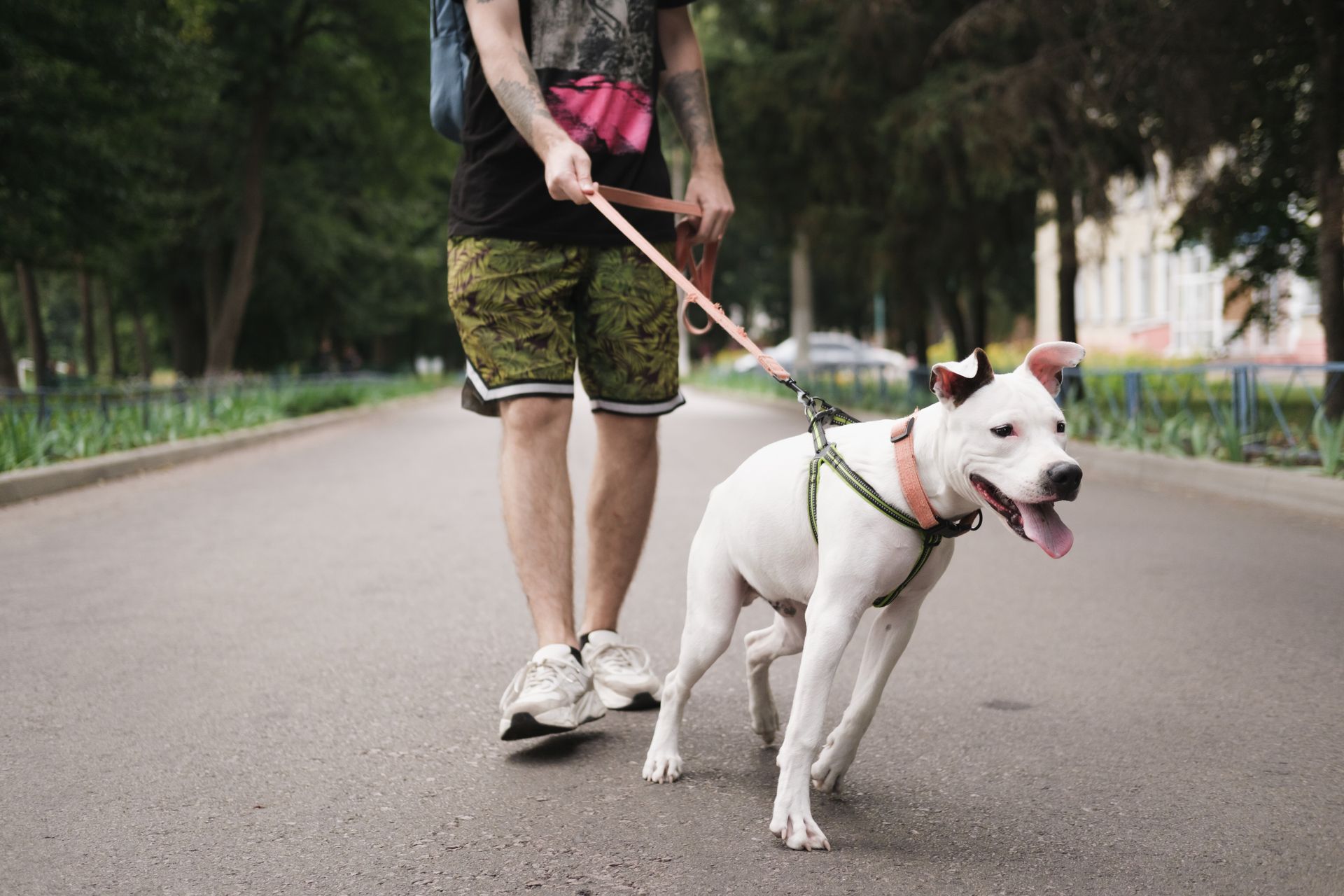
If you’re trying to figure out how to walk a reactive dog in Wandsworth, you’ll know how stressful it can feel. One minute everything seems fine, then suddenly your dog is barking, lunging, or freezing as another dog, bike, or person comes into view.
In busy areas like Clapham Junction, Earlsfield, or Southfields, it can feel like there is no escape from triggers. Walks that should be enjoyable quickly become something you dread.
But here’s the truth. It’s not your fault, and it’s not your dog’s fault either.
Most dogs who react this way are simply overwhelmed. Once you understand what is going on underneath the behaviour, you can begin to support your dog properly. This guide will walk you through exactly how to do that in a way that feels calm, practical, and realistic for everyday life in London.
Why are walks so difficult for reactive dogs in Wandsworth?
Walking a dog in Wandsworth is very different from walking somewhere quiet and open. The environment is full of movement, noise, and unpredictability.
You might be dealing with:
- Dogs appearing suddenly on narrow pavements
- Cyclists or scooters passing quickly
- Loud traffic or unexpected sounds
- Busy green spaces like Wandsworth Common
- People approaching from all directions
For a reactive dog, all of this builds pressure. It is not just one trigger, it is a constant stream of them happening all at once.
When that pressure builds too much, your dog reacts. Not because they are being difficult, but because they cannot cope in that moment.
What does it actually mean when your dog is reactive?
It is easy to think your dog is misbehaving. In reality, they are communicating.
Dogs tend to react because they feel:
- Anxious
- Overwhelmed
- Frustrated
- Unsure about what is happening around them
So when your dog barks or lunges, they are not trying to embarrass you. They are trying to create space or release tension.
Once you start seeing it this way, everything changes. Instead of trying to stop the behaviour, you start helping your dog feel safe enough not to react in the first place.
What are the most common mistakes on walks?
If you’ve tried everything and nothing seems to work, you are not alone. Most owners have been given advice that simply does not suit their dog.
Some of the most common things that make reactivity worse include:
- Repeating phrases like “it’s okay” or “keep going”
- Tightening the lead as soon as you see a trigger
- Trying to push your dog through the situation
- Waiting until your dog reacts before doing anything
These responses are completely understandable, but they often increase tension rather than reduce it.
Your dog picks up on your stress, your movement, and the pressure on the lead. That can make the situation feel even more intense for them.
How can you walk a reactive dog more calmly?
There is no single quick fix, but there are simple changes that can make a big difference straight away.
How can you set your dog up before the walk?
What happens before you leave the house matters more than most people realise.
If your dog is already excited or stressed before stepping outside, they are starting the walk at a higher level of arousal.
Try to:
- Keep things calm before putting the lead on
- Avoid rushing out the door
- Give your dog a moment to settle
A calmer start often leads to a calmer walk.
How can you spot reactions before they happen?
Your dog will always give small signals before a big reaction.
You might notice:
- A change in body posture
- Staring or fixating
- Slowing down or freezing
Catching these early signs gives you a chance to step in before things escalate.
Why is distance so important?
In a busy place like Wandsworth, space can feel limited, but even small amounts of distance can help.
If you see a trigger coming:
- Cross the road
- Turn into a quieter street
- Step aside and let it pass
You are not avoiding the problem. You are helping your dog stay in a state where they can cope.
What simple techniques can help in the moment?
You do not need complicated training. Simple, consistent techniques are often the most effective.
You can use:
- Find it, scattering food to help your dog shift focus
- Touch, encouraging your dog to reconnect with you
- Gentle movement patterns to guide your dog away calmly
These are the kinds of practical tools taught step-by-step inside the course, so you are not left guessing what to do in real situations.
Why does talking less often work better?
It is natural to talk to your dog when things feel stressful. But too much talking can actually add to the overwhelm.
Instead, focus on:
- Staying calm yourself
- Using simple, clear cues
- Letting your body language guide your dog
Dogs respond far more to how you move and feel than to long verbal explanations.
How do you handle real situations?
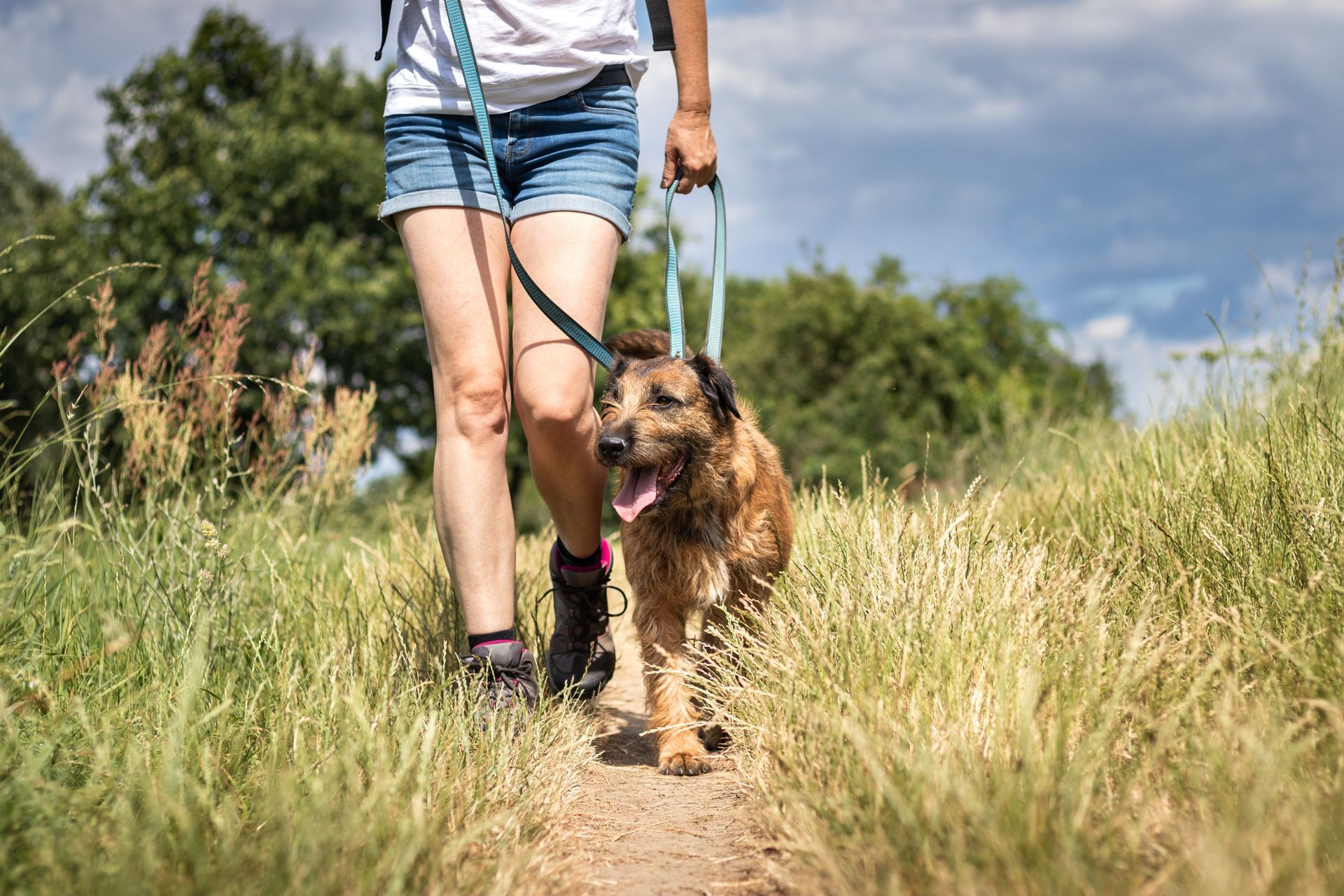
Real life is unpredictable, especially in London. The goal is not to control everything, but to feel prepared.
If you are passing another dog:
- Create space early
- Keep things moving calmly
- Avoid stopping face-to-face
On busy pavements:
- Choose quieter routes where possible
- Stay aware of what is coming ahead
- Give yourself permission to change direction
In parks like Wandsworth Common:
- Visit during quieter times
- Stay on the edges rather than busy paths
- Watch for off-lead dogs
The more you practise these small adjustments, the more confident both you and your dog will become.
When is the best time to walk your dog?
Timing can make a noticeable difference.
Quieter times, like early mornings or later evenings, give your dog a chance to learn without constant pressure.
This is not about avoiding life forever. It is about giving your dog the space they need to build confidence gradually.
What does progress actually look like?
Progress with a reactive dog is not always obvious at first.
You might start to notice:
- Your dog recovers more quickly after a trigger
- Reactions feel less intense
- You feel more in control of situations
These small wins matter. They are signs that your dog is learning and beginning to feel safer.
What if nothing seems to be working?
This is where many owners feel stuck. You have tried advice online, watched videos, and still feel unsure.
That is exactly why structured support can make such a difference.
If you want a clear, step-by-step approach that shows you how to manage real-life situations, you can explore the course I offer.
It is designed to help you understand your dog properly, not just manage the behaviour on the surface. You will learn how to support your dog emotionally, reduce their reactions, and feel more confident on every walk.
Ready to enjoy calmer walks again?
Walking your dog does not have to feel like a daily challenge.
With the right approach, you can start to feel more relaxed, more prepared, and more connected to your dog.
And your dog can begin to feel safer, calmer, and more able to cope with the world around them.
If you are ready to take that next step, you can view the course or get in touch below.
Share this post
Recent Posts